Blog Post 12- Review
The first thing that stuck out to me this semester was the article on Neurodiversity. This article stuck out to me the most because there are a lot of students you work with as a teacher that are neurodivergent and being able to recognize the correct ways to acknowledge and teach is extremely important. In addition to this I felt a strong connection to this article because my sister has both ADHD and dyslexia and she has struggled in school due to the teachers not following the protocols that she needs to be able to be successful. However, overtime when she has had a teacher support what she needs to be successful in return she has strived in school instead of struggling and not enjoying school. As a future teacher I want to ensure I don’t treat my neurodivergent students how these teachers treated my sister, I want to make sure all my students have what they need to be successful and feel seen and heard. Another activity that stuck out to me over the semester was the card game we played in class. This stuck out to me because when I was playing the game and no one could explain the rules and everyone had different rules it kept making me feel stupid and frustrated. This emphasized to me the importance of having explicit instructions/expectations because without this some individuals may not be able to follow or may end up getting frustrated, feel stupid, give up, etc. As a future teacher I will now make sure that all students are explicitly told the rules/expectations so that no student is left in the dark and struggling. The last article that stuck out to me over the semester was the article by Kohn What to Look for in a Classroom. This article stuck out to me because I can use this guide for how I should set up my classroom in the future. In addition to this I was able to use this article in my current placement to see what they are doing in their classroom and why they are doing this. This article was a strong tool for me that I can use in my current school career and in the future in my classroom as a teacher.Monday, December 8, 2025

Sunday, November 9, 2025
Sex and Gender-based Systems
Sex and Gender-based systems
Reflection:
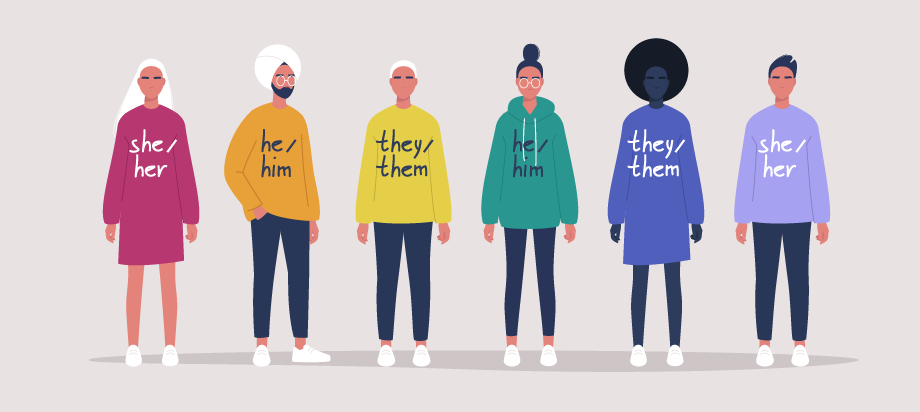
After reading the RI Laws and Policies & Queering Our Schools and watching Woke Read Alouds:They,She,He Easy as ABC I was able to learn more ways to ensure that my classroom is inclusive to every student no matter their gender or sexuality etc. Ensuring that we have this inclusive environment in our classrooms is extremely important in making sure every student has a supportive accepting environment that they can come to each day. Having this strong supportive accepting environment improves the students academic success and their mental and physical health. In Rhode Island there are some specific laws that are set in place to prevent discrimination to these students. Some of these laws include Title IX which ensures that there is no sex-based discrimination. Additionally there is the Equal Access Act and FERPA which makes sure that every student has equal access to through their education and protection of the students privacy. As a teacher it is our responsibility to ensure we are making our students feel welcome. We can do this by using the students preferred pronouns and names and allowing access to the bathrooms and locker rooms based on their gender identity. In addition to this we should have open conversations on gender and how to respect everyone. The video of the read aloud really stuck out to me because I am interested in teaching younger kids. Having this book that discusses different gender identities and pronouns through the ABCs would be an easy way to introduce this inclusive environment into the classroom.
Questions/Comments/Thoughts to Share:
What are other ways that we can promote inclusion of different gender identities and pronouns in our classrooms? Especially in young classrooms, discussing this topic may be hard for them to grasp and fully understand. However, it is extremely important to start discussing at a young age. What are ways you would incorporate these conversations into your younger classrooms? https://library.cod.edu/guide_inclusive/pronouns
Tuesday, November 4, 2025
What is Neurodiversity? By: Caroline Miller
What is Neurodiversity? By: Caroline Miller
Reflection:
After reading What is Neurodiversity? By Caroline Miller I can make many connections to what she was discussing in my life. My sister has both ADHD and dyslexia and she is one of the most creative people I have ever met. My sister may typically struggle with aspects such as schoolwork yet she has so many other strengths that need to be focused on. Instead of individuals seeing her differences as a problem individuals need to see the strengths that come along with it. My sister is able to do impressive hairstyles, makeup, nail designs, art projects etc. Me and my family see her differences as strengths that we may not have that we wish we could have. I personally always have typically not struggled in aspects such as schoolwork however when it comes to anything creative I struggle extremely and wish I had those strengths that she has. I love that Judy Singer was able to come up with the term Neurodiversity because it was able to show many individuals that everyone's brain works differently. In addition to this it got rid of the stigma in society that these differences need to be fixed and are an issue. Instead we can use these differences to our strengths and everyone can use their strength to contribute to society. Caroline Miller also discussed the importance of making the classroom into an inclusive environment that promotes everyone's differences and makes it easier for all students to learn in their own ways. I agree with this statement immensely because before getting to High School my sister struggled with the classroom settings she was put in to learn. However, now that she is in High School she has been able to be a lot more successful in the aspect of her grades because of the teachers and the environment that she was put in. The teachers at the High School my sister goes to allow for all her accommodations to be met with ease so that she is able to use her strengths to her ability and do well on her school work.

Questions/Comments to Share/Reflection:
Once I become a teacher I am ensuring that I have an inclusive classroom that exemplifies every child's strengths. I will not see these student differences as deficits that are in the classroom but assets that are added to the classroom. Here is another article from the same website that discusses how to support neurodiversity in the school.Sunday, October 26, 2025
Troublemakers
Troublemakers
Reflection:
While reading Troublemakers by Carla Shalaby I was making many connections to past readings we have done over the course of the semester. Shalaby was discussing how students who are typically seen as “troublemakers” need to be looked at from a different angle. Instead of believing that it is the students who are the problem we should look deeper into the system and the environment that they are being seen as a “troublemaker”. Shalaby is claiming that if we were to look deeper into the child's home life you will find that they typically are a good individual once they are somewhere their culture is embraced, they are explicitly told the instructions and expectations, and they feel accepted. As we previously discussed in class schools are catered to those that fit the SCWAAMP (Straight, Christian, White, American, Able-bodied, Male, Property owner) characteristics. As a result students who do not fit these characteristics are typically excluded in their school system. In addition to this it leads to students not knowing the rules and expectations that most schools have due to them not being explicitly told as they are just assumed to know them. This then leads to students not knowing how they are expected to act in school since it is different from what they are learning at home making them be seen as a “troublemaker”. If we look at these students in all aspects and teach in culturally responsive ways then it will reduce the amount of students that are viewed as being “troublemakers”. Overall, students will then be more excited to come to school each day and will be more successful in school.
Reflection/Questions/Comments to share:
What are ways we can ensure as future teachers that we will look into the students deeper and not judge students based on how they are acting in school.

Literacy with an Attitude
Literacy with an Attitude
Reflection:
After reading Literacy with an Attitude by Patrick J. Finn I was able to connect with what Finn was arguing on how schools differ based on the social class of the student population. I was fortunate to be able to go to an upper middle to high class school (Ponaganset High School) in an upper middle to high class town (Glocester) so I was able to have the opposite view point of what Finn was stating. In my school critical thinking was promoted in almost every classroom. In addition to this we had pathways at our schools which provided us with different types of classes so you could do something specific to your interests. This allowed students to have strong individualism and have the ability of free choice. This contrasts to working class schools because these students typically are not given much choice in the types of courses they can take. In addition to this the students are not usually challenged to their full abilities. The teachers that are in working class schools are commonly only teaching straight from the textbooks that are for low ability students even though most of the students in the school are not actually low ability students. This stuck out to me significantly because I believe that all students should be challenged to their fullest potential. Students coming from working class families should not have to by default become a working class adult as well. Students should be able to thrive and want to do the best that they can in their future. However, with the school systems not expanding their students' abilities and giving them individualism they are stuck in a box making it difficult for all students to be put to their best ability.
Reflections/Comments/Questions:
I believe that as future teachers we need to thrive to push our students no matter what social class that they are from.

Tuesday, October 14, 2025
Video Analysis Links
https://docs.google.com/document/d/1v8D4xUnGvgx47rUUurgHN9m2EyRjWk8EOJEHrSV2tPo/edit?usp=sharing
https://docs.google.com/document/d/1cayGNO0IlA-54HhshsbJxVo-GL7E7FA9Fz3vlUOp7gM/edit?usp=sharing
Sunday, October 5, 2025
What to Look for in a Classroom by: Alfie Kohn & Introduction to Culturally Relevant Pedagogy by: Learning for Justice
What to Look for in a Classroom by: Alfie Kohn & Introduction to Culturally Relevant Pedagogy by: Learning for Justice
After reading What to Look for in a Classroom by Alfie Kohn and watching Introduction to Culturally Relevant Pedagogy by Learning for Justice I was able to expand my knowledge of what a culturally responsive classroom would look like. As a result I can use this new knowledge when I go to my placement on Monday to see how they have set up their classroom and how their classroom is operated to see if it is culturally responsive. Even little things such as how the furniture is set up or what is on the walls has a huge impact on the students' learning. As explained in the video, having every student's culture should be encouraged in the classroom so that it can be built on and learned from. Some ways that this could be done is having students bring in an item that represents their culture into the classroom and having them present it so the other students can learn about that item and that student's culture. These items can then be left around the classroom throughout the school year so that every student has something that represents who they are. As a result of having their culture represented in the classroom the student is more likely to succeed in school and enjoy coming to school everyday. Whereas if the teacher just had posters of the typical white, ablebodied, students not as many students are going to feel represented and welcomed in their classroom. As we discussed in class these types of classrooms are typically only representing the dominant culture (SCWAAMP). Instead of having a window of knowledge for the students to learn about, it is only a mirror to those with the SCWAAMP characteristics.


*I asked Chat GPT to make two posters one culturally responsive and one not*
Subscribe to:
Posts (Atom)
-
What to Look for in a Classroom by: Alfie Kohn & Introduction to Culturally Relevant Pedagogy by: Learning for Justice After readin...
-
What is Neurodiversity? By: Caroline Miller Reflection: After reading What is Neurodiversity? By Caroline Miller I can make many conne...
-
Sex and Gender-based systems Reflection: After reading the RI Laws and Policies & Queering Our Schools and watching Woke Read Alouds:T...


